Midland and the City of SwanCall (08) 7813 3630
TRETree Lopper Midland

Bamboo Removal in Midland, Including the Rhizomes

Bamboo planted as a screen has taken over the yard, pushed under the fence and started lifting paving. Cutting the canes is the easy part; getting the rhizomes out is what stops it coming back.

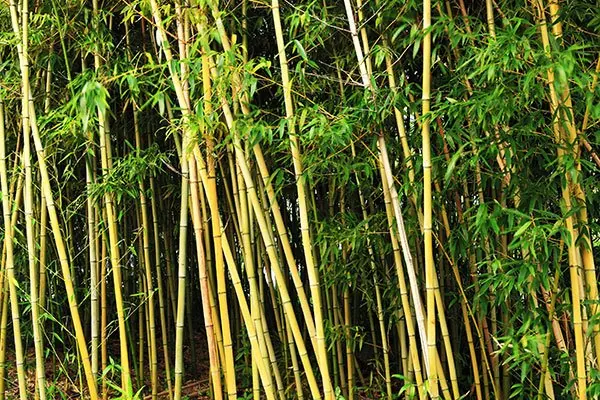
Dense stand of tall yellow-green bamboo canes

What the quote should cover

  1. Area and type of bamboo: running or clumping
  2. Whether canes only, or canes plus rhizome excavation
  3. Depth and width of the dig, and how far rhizomes are chased
  4. Machine or hand removal, depending on access
  5. Disposal of canes and rhizomes, which should not go into a home compost
  6. Follow-up advice or a second visit for any regrowth

Ballpark figures live on the tree removal cost guide; the real number comes from an on-site look.

Why bamboo becomes a problem

Bamboo is often planted along fences in Midland, Guildford and Ellenbrook as a fast privacy screen. For a few years it does the job. Then it starts to:

  • push rhizomes under the fence into the neighbour's yard
  • lift paving, edging and garden walls
  • pop up in lawns several metres from where it was planted
  • crowd out everything else in the garden bed
  • block gutters with leaf litter and become a fire load in dry weather

Along creeks such as Jane Brook and other damp spots, bamboo can spread quickly in the moist soil. The longer it is left, the bigger the job.

Running versus clumping

Running bamboo spreads through long horizontal rhizomes. A plant on one side of the yard can send up shoots on the other side, or under a fence and into next door. This is the type that gives bamboo its reputation.

Clumping bamboo grows in a dense mass that expands outward slowly. It is easier to remove because the rhizomes are concentrated in one area, but a large old clump is still heavy, tough work.

The quote should identify which kind you have, because it changes the method and the likely amount of follow-up.

How bamboo is removed

  1. Canes are cut down close to the ground and bundled for disposal.
  2. The rhizome mass is dug out, by hand in small or tight areas, or with an excavator on larger patches with access. The dig needs to go wide enough to catch the runners.
  3. The area is checked for leftover pieces of rhizome, which can resprout.
  4. Material is removed from the property. Bamboo should not go into home compost or be dumped, because pieces can regrow.

Root barriers can be installed along a boundary to stop bamboo from a neighbouring property coming back across, and some contractors can supply them.

Ground conditions here

In heavier soils near the Swan and Helena rivers, rhizomes are packed tight and hard to separate from clay, and digging is slow in winter. In the sandier north, around Ellenbrook, rhizomes come out more easily but spread further, so the dig needs to be wider. On gravel near the scarp, rhizomes wind around stones, so a machine is often the most practical method.

Planning the job

Bamboo removal is usually priced on the area and the depth of the rhizome mat, not just on how many canes there are. A narrow strip along a fence is one thing; a whole corner of a yard taken over for twenty years is another. A photo from a distance, plus one close-up of the base, gives the contractor a good first idea.

After removal

Watch for new shoots over the following months and cut them as soon as they appear; they will weaken and stop. Replant with something that will not spread, or lay turf once you are confident the bamboo is gone. If the bamboo grew among trees or under a canopy that also needs work, ask for tree lopping or stump grinding on the same quote. For rough prices, see the cost guide.

Other jobs we arrange

Tree RemovalWhole trees taken down, in roped sections where the house, shed or fence is close, with the wood chipped or carted.
Tree LoppingHeight, spread and weight reduced, limbs lifted off roofs and wires, and deadwood taken out of old gums and peppercorns.
Stump RemovalThe stump and its main roots dug or levered out where a slab, pool, driveway or retaining wall is going in.
Stump GrindingStumps chewed down below the surface so the spot can be turfed, mulched or planted again.
Palm Tree RemovalDate, Canary Island, cocos and Washingtonia palms removed, or cleaned of dead fronds and seed stalks.

Area notes

FAQs

Questions people ask before they commit

What is the difference between running and clumping bamboo?

Running bamboo sends rhizomes sideways, sometimes metres from the main stand, and pops up in lawns and next door. Clumping bamboo grows in a tighter mass that expands more slowly. Running bamboo is much harder to remove completely.

Can I just cut the bamboo down?

Cutting canes alone does not kill bamboo. The rhizomes underground keep pushing up new shoots. For a lasting result the rhizome mass has to be dug out or treated.

Will bamboo come back after removal?

Some shoots often appear from pieces of rhizome missed in the dig, especially with running types. Pull or cut them as they show for a season or two and the patch is usually beaten.

My neighbour's bamboo is coming through the fence. What can I do?

Talk to your neighbour first, because the source of the problem is on their side. Removing the bamboo on your side and installing a root barrier can help. Disputes between neighbours are a civil matter rather than a council permit issue.

Is bamboo a declared weed in WA?

Garden bamboos are not generally a declared pest in WA, but some invasive plants are. If you are unsure what you have, the Department of Primary Industries and Regional Development has information on declared pests.

Free, no-obligation

Get your free quote today

Send us the details of the tree

Tree Lopper Midland Call (08) 7813 3630 Free tree quote
Call (08) 7813 3630