Guildford's trees are older than most
Guildford was settled in 1829, on the land between the Swan and Helena rivers, and it still feels like a country town in places. The gardens behind the old houses and along the main streets include some of the largest exotic trees in the eastern suburbs: spreading peppercorns, figs with buttress roots, tall date palms at gateways, and Cape lilacs and jacarandas grown up over verandas. Along the river edges there are flooded gums, swamp paperbarks and sheoaks.
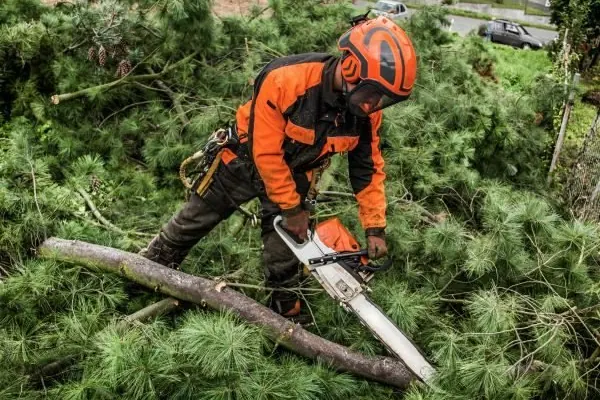
Most tree work requests here involve these older trees. Typical jobs include:
- reducing heavy, spreading limbs on old peppercorns before summer
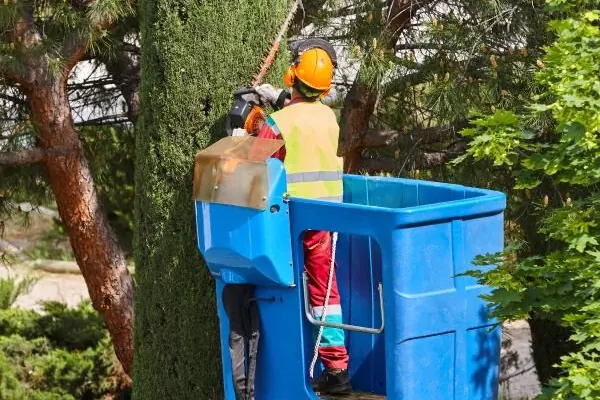
- deadwooding large gums over roofs and outbuildings
- cleaning or removing tall palms that drop fronds over driveways
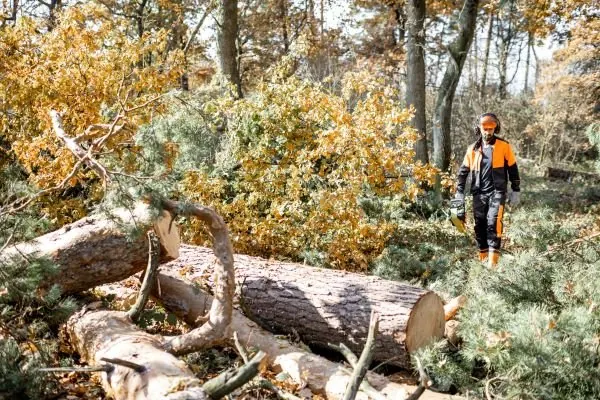
- removing trees damaged after winter storms on soft ground
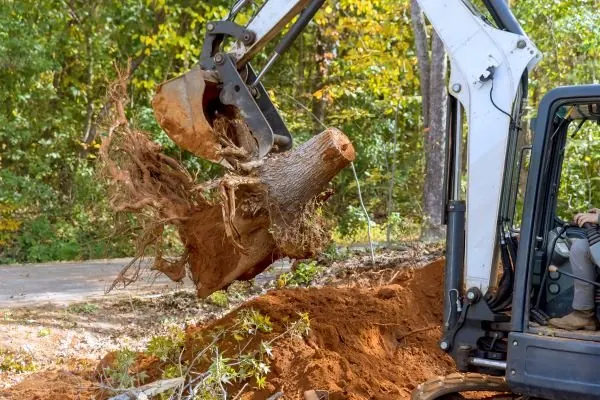
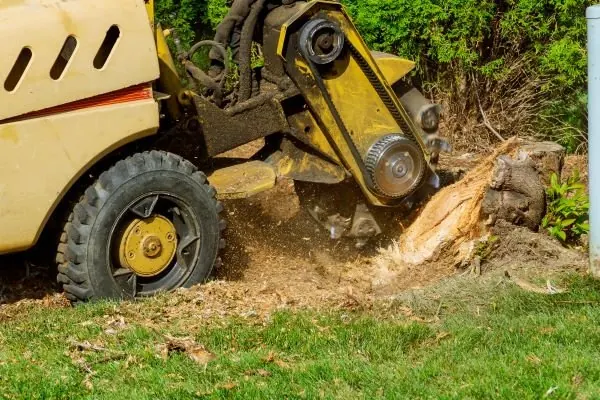
- grinding stumps left by earlier removals so lawns can be restored
River soil and wet winters
Guildford sits on heavy alluvial soils. They grow big trees fast, but they hold water through winter. After a run of wet fronts, soft ground around the roots and a full, heavy canopy can make a large tree lean or uproot in strong wind. If you notice a new lean, with soil cracking or lifting on the far side of the trunk, have it looked at quickly.
The same soils make access harder in winter. Machines can sink, and lawns get churned. In some cases it is better to do non-urgent removals or stump work in the drier months.
Heritage checks come first
Old Guildford is heavily protected for its heritage. Many individual places are on the State Register of Heritage Places, and the City of Swan has local heritage listings and area controls. Heritage protection can extend to the setting of a building, including significant trees.
That does not mean every tree in Guildford is protected. It means you should check before planning a removal:
- Search the property on the Heritage Council of WA's inHerit database.
- Ask the City of Swan whether the property is in a heritage area or subject to planning conditions.
- Keep a note of what you were told, and by whom.
Our Swan Valley and Guildford trees guide goes into more detail.
Verges, wires and access
Street trees in Guildford belong to the City of Swan. Some older streets also have overhead power lines that trees have grown into; Western Power is responsible for the network lines, and the service wire to the house is generally the owner's to keep clear, using someone qualified. Many older blocks have narrow side access or heritage fences that cannot be removed, which affects machine choice and price.
Old trees, careful decisions
A big old tree in Guildford is often worth more standing than gone. Mature peppercorns and figs shade houses that were built before air-conditioning, and they are part of what makes the streets look the way they do. Before choosing removal, ask whether a reduction, deadwooding or a cable brace on a weak limb would make the tree safe enough to keep. A good contractor will tell you honestly when the tree is past saving: a hollow base, active fungal decay at the root collar, or a large split through the main fork usually means it is time.
If the tree does come down, think about what replaces it. A smaller, better-placed tree planted the following winter, when the soil is moist, will establish quickly on the river soils and give you shade again within a few summers.
Getting a quote in Guildford
Ring (08) 7813 3630 or use the form below. Mention the species if you know it, any heritage status, and the access. For rough prices, see the cost guide.